
RANZCOG Fellowship Exam preparation is one of the biggest challenges for International Medical Graduates (IMGs) and doctors pursuing a career in obstetrics and gynecology in Australia and New Zealand. Conducted by the Royal Australian and New Zealand College of Obstetricians and Gynaecologists, the fellowship pathway is designed to assess clinical knowledge, patient management, communication skills, and readiness to work safely within the Australian healthcare system.
Understanding the RANZCOG exam structure, training requirements, specialist assessment pathway, and examiner expectations is very important for candidates preparing for the FRANZCOG pathway. Many international doctors struggle because they focus only on theory while neglecting clinical reasoning, viva preparation, and practical obstetrics and gynecology scenarios commonly tested during assessments.
Successfully passing the RANZCOG Fellowship Exam requires a structured preparation strategy, consistent practice, and a strong understanding of women’s health care standards in Australia.
Candidates preparing for the RANZCOG written exam, oral assessments, and clinical skills evaluation should use updated study resources, practice O&G clinical cases regularly, and improve their communication and decision-making skills. International doctors who understand the RANZCOG training program, IMG obstetrics pathway Australia, and specialist recognition process are usually better prepared for long-term success.
This guide explains practical preparation tips, exam formats, and IMG success strategies that can help overseas-trained doctors improve confidence, avoid common mistakes, and increase their chances of becoming qualified obstetricians and gynecologists in Australia.
Understanding the RANZCOG Fellowship Exam Structure

Understanding the RANZCOG Fellowship Exam structure is very important for International Medical Graduates (IMGs) and doctors planning to specialize in obstetrics and gynecology in Australia and New Zealand.
The fellowship pathway managed by the Royal Australian and New Zealand College of Obstetricians and Gynaecologists is designed to assess both theoretical knowledge and practical clinical competence. The process usually begins with meeting the RANZCOG eligibility requirements, completing the necessary medical registration pathway, and entering the O&G training program.
Candidates then progress through the RANZCOG written exam, oral assessments, workplace-based training, and clinical evaluations focused on women’s health, obstetric emergencies, gynecology procedures, patient safety, and communication skills.
Many IMGs struggle because they underestimate the depth of the RANZCOG curriculum and fail to understand how the exam structure tests real-life clinical decision-making rather than memorized textbook answers.
A practical and structured preparation approach can significantly improve performance in the RANZCOG Fellowship Exam. Doctors who divide their study plan into smaller stages — such as mastering obstetrics theory first, practicing gynecology clinical cases regularly, improving viva communication skills, and reviewing Australian clinical guidelines — often perform better during assessments.
One common mistake is relying only on reading materials without practicing timed case discussions or simulated patient scenarios. For example, a candidate may understand postpartum hemorrhage management theoretically but struggle during oral assessments because of poor communication or difficulty prioritizing emergency steps under pressure.
Using updated RANZCOG study resources, joining preparation courses, practicing mock viva exams, and seeking mentorship from experienced O&G specialists can help international doctors build confidence and adapt more effectively to the Australian healthcare system and specialist assessment process.
Ultimate Training Requirements for IMGs Pursuing Obstetrics and Gynecology in Australia
International Medical Graduates (IMGs) pursuing obstetrics and gynecology in Australia must understand that the pathway involves more than simply passing exams. The process usually begins with meeting the AMC requirements, completing primary source verification, passing English language proficiency tests such as IELTS or OET, and obtaining medical registration in Australia.
After this stage, doctors seeking specialist recognition through the Royal Australian and New Zealand College of Obstetricians and Gynaecologists must undergo the RANZCOG specialist assessment pathway and satisfy the required O&G training standards. Candidates are often expected to demonstrate clinical experience in women’s health, obstetric emergency management, gynecology procedures, patient communication, and teamwork within the Australian healthcare system.
Many IMGs struggle during this stage because they focus heavily on theoretical study while lacking exposure to Australian clinical protocols, documentation standards, and patient-centered communication practices commonly assessed during the RANZCOG Fellowship Exam.
A step-by-step and realistic preparation strategy can make the transition easier for overseas-trained doctors. First, candidates should strengthen their understanding of the RANZCOG curriculum and Australian obstetrics guidelines before attempting specialist assessments. Second, gaining supervised clinical experience in hospitals or women’s health settings can help doctors adapt to local expectations and improve confidence during clinical discussions and viva examinations.
One common challenge for IMGs is handling emergency obstetrics scenarios under pressure, such as postpartum hemorrhage or fetal distress management, where examiners assess both clinical decisions and communication skills simultaneously. Doctors who practice simulated O&G clinical cases, participate in mock oral assessments, and seek mentorship from experienced obstetricians and gynecologists are often better prepared for the RANZCOG training pathway.
Consistent preparation, familiarity with Australian healthcare standards, and strong communication skills are usually the key factors that separate successful candidates from those who repeatedly struggle in the specialist assessment process.
Specialist Assessment Pathway for International Medical Graduates
The Specialist Assessment Pathway for International Medical Graduates is an important process for overseas-trained doctors who want to obtain specialist recognition and practice independently in Australia. For doctors pursuing obstetrics and gynecology, the pathway managed by the Royal Australian and New Zealand College of Obstetricians and Gynaecologists usually begins with primary source verification, AMC requirements, English language proficiency tests, and submission of specialist qualifications and clinical experience for assessment.
The college then evaluates whether the IMG’s training, clinical skills, and professional experience are substantially comparable, partially comparable, or not comparable to Australian specialist standards. Candidates who progress further may be required to complete workplace-based assessments, supervised practice, RANZCOG Fellowship Exam components, clinical evaluations, or additional training before receiving specialist registration in Australia.
Many international doctors find this stage difficult because they underestimate the documentation process, fail to demonstrate recent clinical experience, or do not fully understand Australian healthcare protocols and communication standards.
A practical and structured approach can significantly improve success during the specialist assessment pathway. First, IMGs should organize all professional documents carefully, including surgical logs, training certificates, employment history, and continuing professional development records before applying. Second, candidates should actively improve their communication skills, especially in patient-centered consultations and multidisciplinary teamwork, because these areas are frequently assessed during interviews, workplace assessments, and clinical discussions.
One common example is an experienced obstetrician who performs well clinically but struggles during Australian-style case discussions because of differences in communication style, consent processes, or patient safety expectations. Doctors who participate in mock interviews, supervised hospital placements, RANZCOG preparation courses, and simulated obstetrics emergency scenarios are often better prepared for the specialist assessment process. Consistent preparation, adaptability, and understanding Australian clinical standards are usually the strongest factors for achieving long-term success in the IMG specialist pathway Australia.
Importance of Clinical Reasoning in the RANZCOG Exam
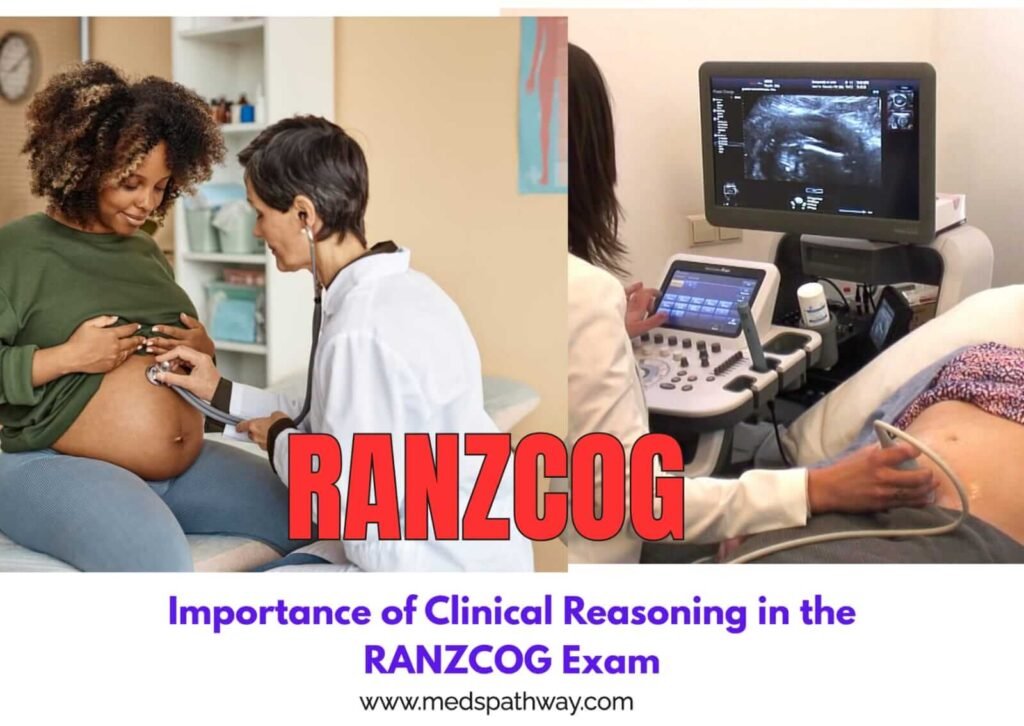
Clinical reasoning plays a major role in success during the RANZCOG Fellowship Exam because the assessment is designed to evaluate how candidates think, prioritize, and manage real-life obstetrics and gynecology situations within the Australian healthcare system. During the RANZCOG written exam, oral assessments, workplace-based evaluations, and clinical discussions, examiners are not only testing theoretical knowledge but also a doctor’s ability to make safe and effective clinical decisions under pressure.
Candidates are expected to assess symptoms correctly, identify high-risk situations, prioritize emergency management, communicate clearly with patients and healthcare teams, and apply Australian clinical guidelines appropriately. Many International Medical Graduates (IMGs) struggle because they rely heavily on memorized textbook answers without demonstrating logical decision-making or patient-centered communication during O&G clinical cases and viva examinations.
A strong clinical reasoning approach usually involves understanding why a particular diagnosis, investigation, or treatment is appropriate in a specific scenario. For example, in a postpartum hemorrhage case during a RANZCOG oral exam, candidates who immediately explain patient stabilization, call for multidisciplinary support, prioritize blood management, and communicate clearly with the patient often perform better than those who simply list medical facts without structured thinking. Another common challenge for overseas-trained doctors is adapting to Australian obstetrics protocols, ethical standards, and shared decision-making practices during women’s health consultations.
Doctors preparing for the RANZCOG specialist pathway should regularly practice simulated emergency cases, timed viva discussions, and clinical scenario training with mentors or preparation groups. Using updated RANZCOG study resources, reviewing Australian O&G guidelines, and improving communication skills can help candidates develop stronger clinical reasoning abilities and improve their chances of achieving specialist recognition in obstetrics and gynecology Australia.
Practical Obstetrics and Gynecology Scenarios in RANZCOG Assessment
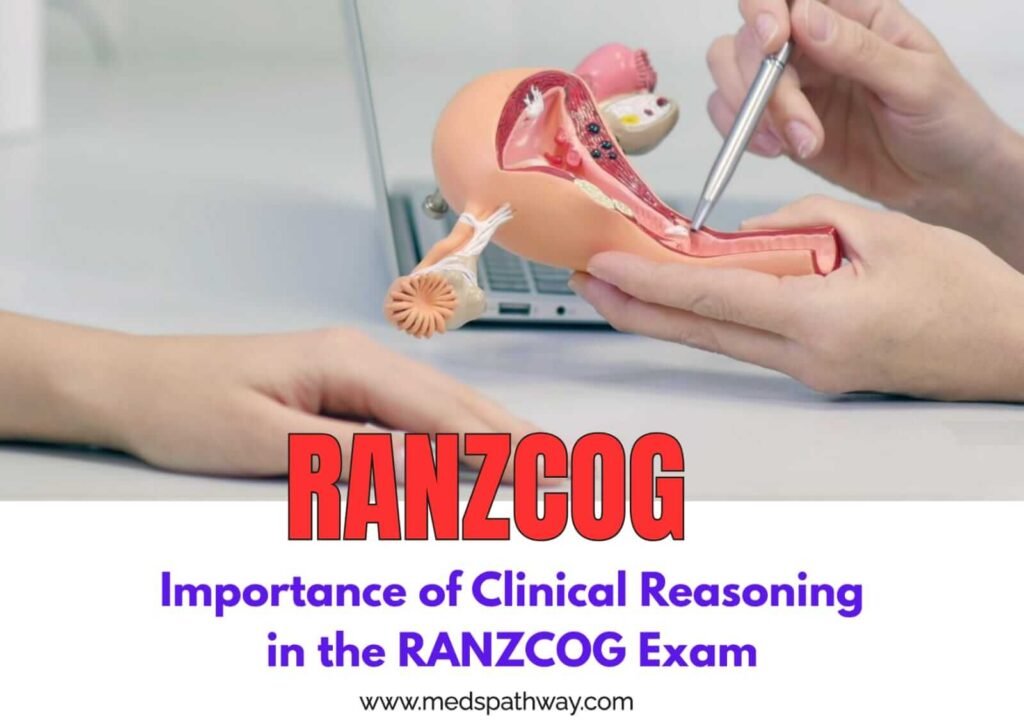
Practical obstetrics and gynecology scenarios are a major part of the RANZCOG Fellowship Exam because they assess how well candidates can manage real-life clinical situations safely and professionally within the Australian healthcare system. During the RANZCOG oral exam, workplace-based assessments, and clinical discussions, candidates are commonly tested on obstetric emergencies, antenatal care, gynecology consultations, fertility issues, women’s health management, and postoperative complications. Examiners want to see strong clinical reasoning, communication skills, patient safety awareness, and the ability to prioritize treatment under pressure.
One common scenario involves postpartum hemorrhage management, where candidates are expected to quickly assess the patient, stabilize vital signs, organize blood products, involve the multidisciplinary team, and communicate clearly with both staff and family members. Another frequently tested situation is fetal distress during labor, where doctors must demonstrate safe decision-making, CTG interpretation, emergency planning, and appropriate escalation according to Australian obstetrics guidelines.
Many International Medical Graduates (IMGs) struggle during practical O&G assessments because they focus only on theoretical knowledge and fail to explain their clinical thought process clearly during viva examinations. For example, a doctor may know the treatment steps for ectopic pregnancy or preeclampsia but perform poorly because of weak patient communication, disorganized answers, or difficulty adapting to Australian clinical protocols. Candidates preparing for the RANZCOG specialist pathway should regularly practice simulated O&G clinical cases, timed viva sessions, and emergency scenario discussions with mentors or study groups.
Reviewing Australian women’s health guidelines, improving consultation skills, and learning how to structure answers logically can significantly improve performance during assessments. Doctors who consistently practice practical obstetrics and gynecology scenarios in realistic settings are usually more confident, more organized under pressure, and better prepared for achieving specialist recognition in obstetrics and gynecology Australia.
Utilizing Updated Study Resources for the Written Exam
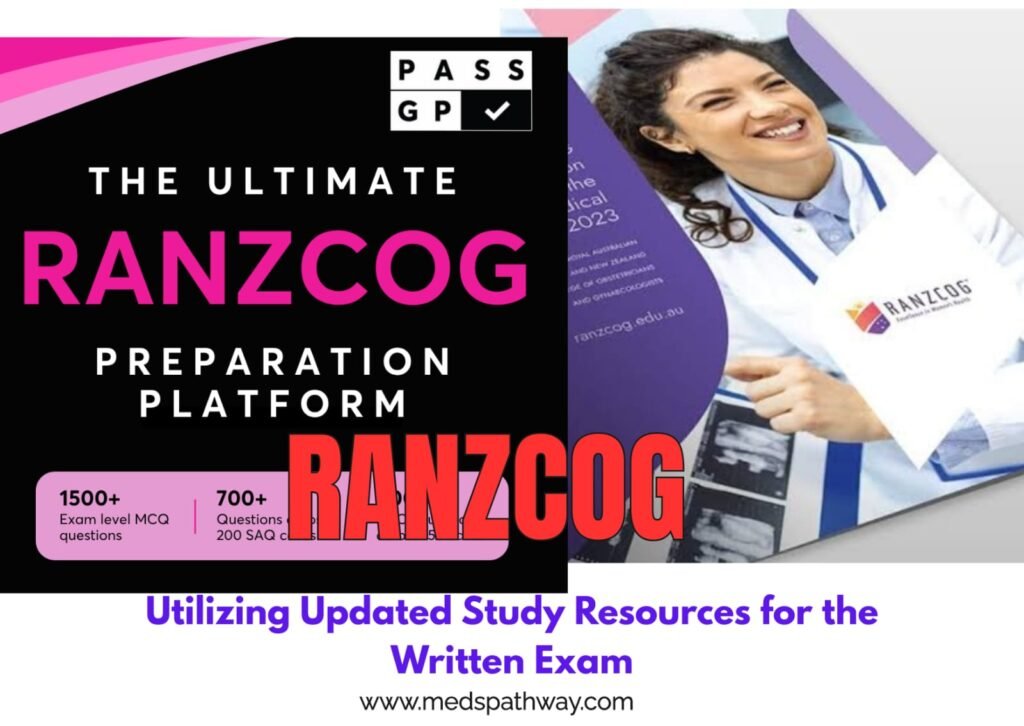
Using updated study resources is one of the most important factors for success in the RANZCOG written exam because obstetrics and gynecology practice continues to evolve with new clinical guidelines, patient safety standards, and evidence-based treatment approaches. Candidates preparing for the RANZCOG Fellowship Exam need accurate and current information that reflects Australian women’s health protocols, emergency obstetrics management, gynecology procedures, and clinical decision-making standards expected during specialist assessments.
Many International Medical Graduates (IMGs) struggle because they rely on outdated textbooks, old exam recalls, or incomplete study notes that no longer match the current RANZCOG curriculum and Australian healthcare system expectations. Updated RANZCOG study resources, clinical guidelines, mock written exams, and evidence-based O&G references help candidates understand modern management approaches for conditions such as postpartum hemorrhage, preeclampsia, cervical screening, infertility treatment, and gynecological emergencies.
One major challenge during the study process is information overload, where candidates attempt to study too many materials without a clear structure or focus. This often leads to confusion, poor retention, and weak exam performance. A more effective approach is to follow a structured study plan using reliable RANZCOG preparation courses, updated women’s health guidelines, and practice question banks that reflect current exam formats. For example, a candidate studying gestational diabetes management from outdated materials may provide answers that conflict with newer Australian treatment recommendations during the written exam.
Doctors who combine updated study resources with regular revision, timed practice questions, clinical case discussions, and group study sessions are usually better prepared for the RANZCOG specialist pathway. Consistent exposure to current Australian obstetrics and gynecology standards not only improves written exam performance but also strengthens clinical reasoning and confidence during future oral and workplace-based assessments.
Enhancing Communication and Decision-Making Skills for Oral Assessment
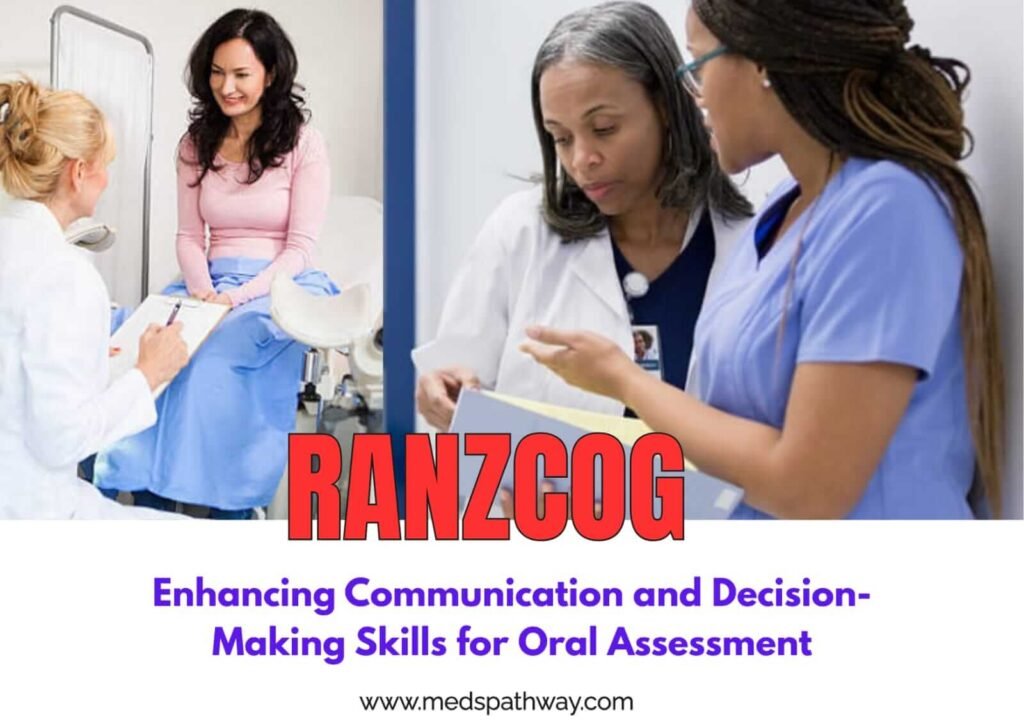
Strong communication and decision-making skills are essential for success in the RANZCOG oral assessment because examiners evaluate not only medical knowledge but also how candidates interact with patients, prioritize emergencies, and explain clinical decisions clearly under pressure. During the RANZCOG Fellowship Exam, candidates are expected to demonstrate patient-centered communication, ethical decision-making, teamwork, and safe management of obstetrics and gynecology scenarios within the Australian healthcare system. Many International Medical Graduates (IMGs) struggle during oral assessments because they answer questions with isolated medical facts instead of structured clinical reasoning and clear communication
One practical evidence-based method that works well is using a step-by-step response structure: patient assessment, immediate safety concerns, investigations, management plan, communication with the patient, and escalation if necessary. This organized approach helps candidates remain calm and logical during complex O&G clinical cases such as postpartum hemorrhage, ectopic pregnancy, fetal distress, or severe preeclampsia management.
Another major challenge is handling pressure during viva examinations while maintaining confidence and professionalism. Candidates often know the correct clinical management but fail because of rushed speech, disorganized explanations, or poor patient communication. Real improvement usually comes from repeated simulated oral assessments, timed clinical discussions, and feedback from experienced obstetricians, gynecologists, or RANZCOG mentors.
For example, a doctor practicing emergency cesarean section scenarios regularly with colleagues will usually become more confident in explaining priorities, obtaining informed consent, and communicating risks clearly during the actual assessment. Recording mock viva sessions, reviewing Australian women’s health guidelines, and practicing multidisciplinary communication can also strengthen performance significantly.
Doctors who consistently train their communication and clinical reasoning skills in realistic exam conditions are often better prepared for the RANZCOG specialist pathway and more likely to achieve specialist recognition in obstetrics and gynecology Australia.
Important Preparation Strategies for the Written Component
Effective preparation for the RANZCOG written component requires more than reading textbooks or memorizing clinical facts. Candidates preparing for the RANZCOG Fellowship Exam should follow a structured study plan that covers the full RANZCOG curriculum, Australian obstetrics guidelines, gynecology management protocols, and evidence-based women’s health practices. A practical preparation strategy usually begins with dividing study topics into smaller sections such as antenatal care, gynecological oncology, reproductive medicine, obstetric emergencies, fetal medicine, and surgical management.
Many International Medical Graduates (IMGs) make the mistake of studying randomly without understanding the RANZCOG exam format, which often leads to poor retention and difficulty answering scenario-based questions. Using updated RANZCOG study resources, practice question banks, mock written exams, and clinical case reviews can help candidates improve exam technique, time management, and clinical reasoning skills required for specialist assessment in Australia.
One major weakness during the preparation process is failing to identify knowledge gaps early enough. For example, some doctors perform well in general obstetrics but struggle with gynecology pathology, endocrine disorders, or Australian cervical screening guidelines because these areas receive less attention during revision. Another common problem is passive studying without active recall or timed practice, which reduces confidence during the actual examination.
Real improvement often comes from evidence-based methods such as spaced repetition, regular self-assessment, group discussions, and practicing written clinical scenarios under exam conditions. A candidate who consistently reviews incorrect answers, studies current Australian women’s health recommendations, and practices structured clinical reasoning is usually better prepared for complex RANZCOG written exam questions. Doctors who combine discipline, updated learning materials, and realistic exam practice are more likely to improve performance and progress successfully through the RANZCOG specialist pathway.
Navigating the Oral Assessments Successfully
Successfully navigating the RANZCOG oral assessments requires strong clinical reasoning, structured communication, and the ability to manage obstetrics and gynecology scenarios confidently under pressure. During the RANZCOG Fellowship Exam, examiners assess how candidates approach patient safety, emergency management, ethical decision-making, and communication within the Australian healthcare system. Many International Medical Graduates (IMGs) struggle during oral assessments because they focus only on memorizing medical facts instead of practicing how to explain their decisions clearly and logically
A practical preparation guideline is to answer every clinical scenario using a structured method: patient assessment, differential diagnosis, investigations, immediate management, communication with the patient, and escalation when necessary. Candidates preparing for RANZCOG oral exams should regularly practice viva discussions on common women’s health topics such as postpartum hemorrhage, ectopic pregnancy, preeclampsia, fetal distress, infertility management, and gynecological emergencies.
One common weakness during the oral assessment process is poor organization of answers when placed under time pressure. Some doctors know the correct clinical management but lose marks because they rush, skip important safety steps, or fail to communicate empathy and professionalism during patient-centered discussions. For example, a candidate discussing shoulder dystocia management may remember the emergency maneuvers but forget to explain teamwork, informed communication, and neonatal safety priorities expected in Australian obstetrics practice.
Real improvement often comes from repeated mock viva sessions, timed clinical discussions, recording practice answers, and receiving feedback from experienced obstetricians, gynecologists, or RANZCOG mentors. Candidates who review Australian women’s health guidelines, practice multidisciplinary communication, and simulate real examination conditions usually become more confident and adaptable during specialist assessments. Consistent preparation, calm communication, and organized clinical thinking are often the key factors that help international doctors succeed in the RANZCOG specialist pathway Australia.
Enhancing Communication Skills for the Clinical Skills Assessments
Enhancing communication skills is one of the most important steps for success in RANZCOG clinical skills assessments because examiners closely evaluate how candidates interact with patients, explain medical information, show empathy, and manage difficult conversations within the Australian healthcare system. During the RANZCOG Fellowship Exam, International Medical Graduates (IMGs) are expected to communicate clearly during obstetrics emergencies, gynecology consultations, informed consent discussions, and multidisciplinary team interactions. Many candidates struggle because they focus heavily on medical knowledge while neglecting patient-centered communication and structured clinical explanations.
One practical evidence-based method that works well is repeated simulated patient interaction using role-play scenarios focused on common O&G clinical cases such as miscarriage counseling, postpartum hemorrhage management, abnormal cervical screening discussions, infertility consultations, and fetal distress communication. Practicing these scenarios regularly helps doctors improve confidence, active listening, emotional control, and structured communication under exam pressure.
Another major challenge for overseas-trained doctors is adapting to Australian communication standards, where patient autonomy, shared decision-making, and empathy are strongly emphasized during clinical assessments. For example, a doctor may clinically manage an ectopic pregnancy correctly but still lose marks if they fail to explain risks compassionately or involve the patient in decision-making. Real improvement usually comes from recording mock viva sessions, reviewing communication feedback, practicing with mentors, and observing experienced obstetricians and gynecologists during real clinical consultations.
Candidates who use structured communication frameworks, maintain calm body language, avoid overly technical language, and regularly practice difficult conversations often perform better during workplace-based assessments and oral examinations. Consistent communication training combined with updated RANZCOG study resources and Australian women’s health guidelines can significantly improve confidence, clinical reasoning, and overall performance in the RANZCOG specialist pathway Australia.
Conclusion: Key Strategies for Success in the RANZCOG Fellowship Exam
Success in the RANZCOG Fellowship Exam does not come from last-minute studying, memorizing textbook notes, or relying on outdated exam recalls. Many International Medical Graduates (IMGs) fail because they underestimate the depth of the RANZCOG curriculum, ignore Australian women’s health guidelines, and avoid practicing real obstetrics and gynecology scenarios under pressure. The RANZCOG specialist pathway is designed to identify doctors who can think critically, communicate professionally, manage emergencies safely, and adapt confidently to the Australian healthcare system.
Candidates who neglect clinical reasoning, communication skills, workplace-based learning, and structured preparation often struggle repeatedly during written exams, oral assessments, and clinical skills evaluations. Simply knowing medical facts is no longer enough in modern specialist assessment processes where patient safety, teamwork, empathy, and evidence-based decision-making are heavily assessed.
Doctors who succeed in the FRANZCOG pathway usually take a disciplined and realistic approach to preparation. They use updated RANZCOG study resources, practice mock viva examinations consistently, review Australian obstetrics protocols regularly, and actively improve patient-centered communication skills. A candidate who repeatedly practices postpartum hemorrhage management, fetal distress scenarios, gynecology consultations, and ethical decision-making discussions in simulated exam conditions is usually far more prepared than someone studying passively alone.
International doctors who seek mentorship, participate in preparation courses, and honestly identify their weak areas early often improve faster and perform more confidently during specialist assessments. Achieving specialist recognition in obstetrics and gynecology Australia requires persistence, structured preparation, adaptability, and professional maturity. Candidates looking for shortcuts in the RANZCOG Fellowship Exam pathway are usually the ones who face the greatest difficulties later in training and clinical practice.