
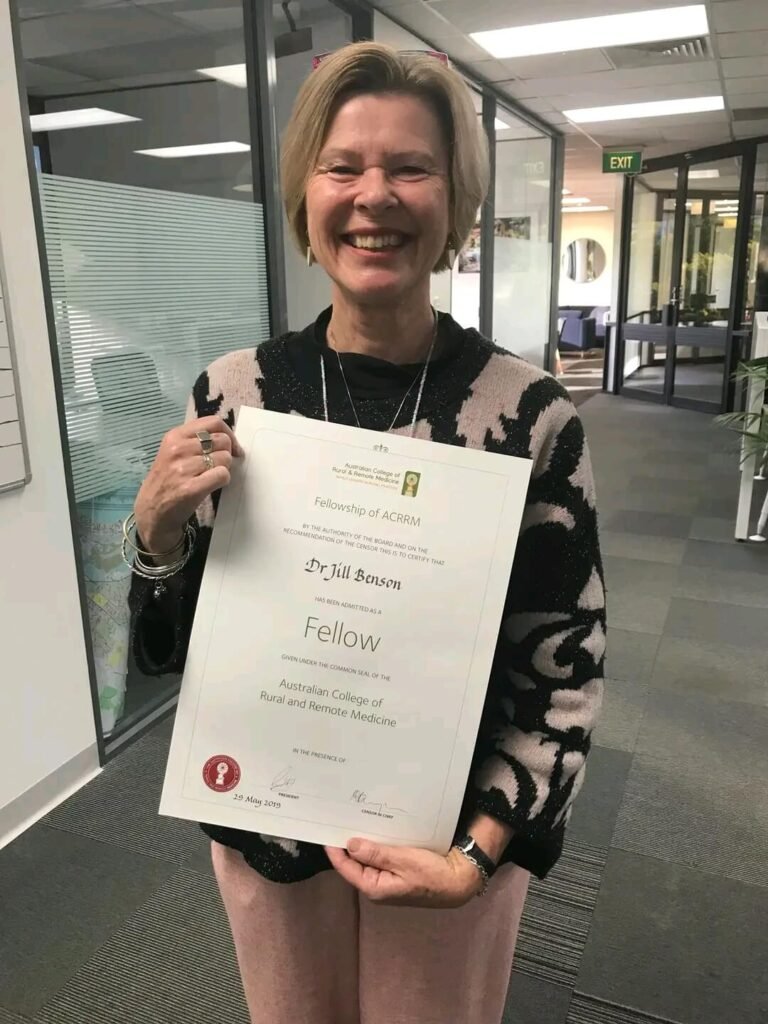
ACRRM Fellowship Assessments are an important part of the rural generalist pathway for International Medical Graduates (IMGs) who want to build a successful career in rural and remote medicine in Australia. Conducted by the Australian College of Rural and Remote Medicine, these assessments are designed to evaluate clinical knowledge, communication skills, decision-making ability, and readiness to work safely in the Australian rural healthcare system. Understanding the ACRRM StAMPS Exam, MiniCEX, workplace-based assessment, and other ACRRM training requirements is essential for doctors preparing for Fellowship of ACRRM.
Many IMGs often struggle because they do not fully understand the ACRRM exam format, examiner expectations, or the practical skills required for rural generalist training in Australia. This guide explains how to pass ACRRM Fellowship Assessments with effective preparation strategies, study resources, exam tips, and practical IMG success strategies that can help overseas-trained doctors improve their confidence, perform better in assessments, and successfully achieve specialist recognition in rural medicine Australia.
Understanding ACRRM Fellowship Assessment for IMGs
Understanding the ACRRM Fellowship Assessment for IMGs is very important for international doctors planning to work in rural and remote communities across Australia. The assessment pathway, managed by the Australian College of Rural and Remote Medicine, is designed to evaluate whether overseas-trained doctors have the clinical knowledge, communication skills, professional judgment, and practical experience required for rural generalist practice in the Australian healthcare system.
The process usually begins with meeting AMC requirements, English language proficiency standards, and eligibility for the ACRRM training pathway. After this stage, candidates progress through several important assessments, including the ACRRM StAMPS Exam, MiniCEX, case-based discussions, and workplace-based assessments. These exams focus heavily on real-life patient management, emergency care, rural clinical decision-making, and safe medical practice in remote healthcare settings.
Many IMGs struggle with ACRRM Fellowship Assessments because they focus only on textbook reading and ignore practical communication skills, rural medicine scenarios, and examiner expectations. A more effective strategy is to combine structured ACRRM exam preparation with supervised clinical experience, mock consultations, regular feedback sessions, and updated rural generalist study resources. Doctors who understand the ACRRM exam format, practice common StAMPS scenarios, improve patient-centered communication, and develop strong time management skills usually perform better during assessments. Joining preparation courses, studying Australian rural healthcare guidelines, and practicing workplace-based clinical cases can also improve confidence and increase the chances of successfully achieving Fellowship of ACRRM and specialist recognition in Australia.
Overview of ACRRM StAMPS Exam
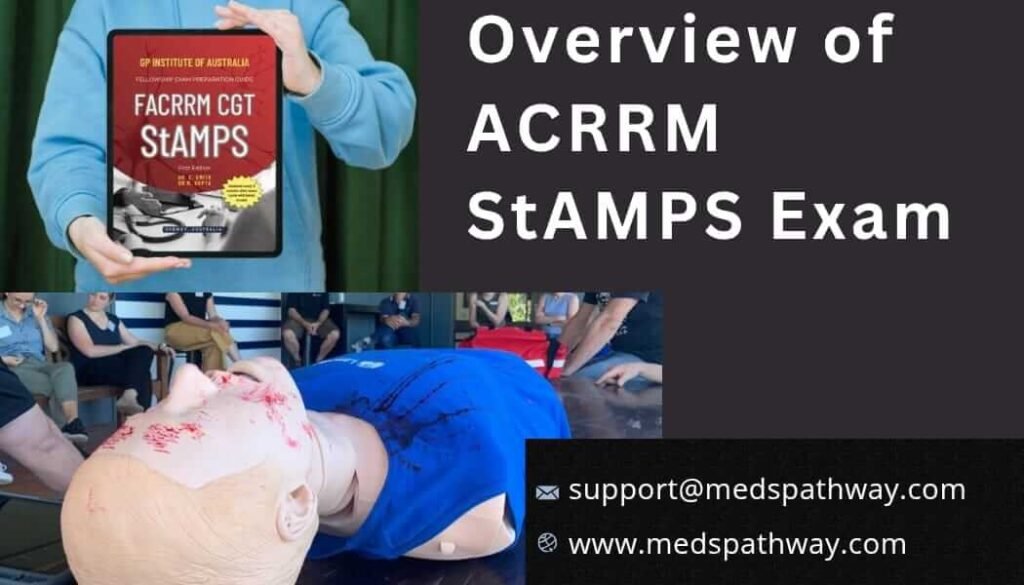
The ACRRM StAMPS Exam is one of the most important assessments in the ACRRM Fellowship pathway for International Medical Graduates (IMGs) pursuing a career in rural and remote medicine in Australia. StAMPS, which stands for Structured Assessment using Multiple Patient Scenarios, is designed by the Australian College of Rural and Remote Medicine to assess a doctor’s clinical reasoning, communication skills, emergency management, patient care approach, and ability to make safe decisions in real rural healthcare situations.
The exam usually involves several clinical case scenarios where candidates interact with examiners and discuss diagnosis, investigations, treatment plans, and patient management strategies. Many overseas-trained doctors preparing for the ACRRM StAMPS Exam search for information about the ACRRM exam format, common clinical cases, rural generalist training requirements, examiner expectations, and effective preparation strategies to improve their chances of success.
To perform well in the ACRRM StAMPS Exam, candidates must focus on structured clinical thinking, clear communication, and practical decision-making skills relevant to the Australian healthcare system. One common mistake many IMGs make is memorizing answers without understanding how to apply medical knowledge in rural clinical settings. A better approach is to regularly practice mock clinical scenarios, review rural medicine guidelines, improve consultation skills, and study common emergency presentations seen in rural Australia.
Joining ACRRM preparation courses, practicing with colleagues, and understanding workplace-based assessment expectations can also help candidates build confidence before the exam. Doctors who consistently develop patient-centered communication, safe management planning, and strong clinical reasoning skills are usually more successful in passing the ACRRM Fellowship Assessments and progressing toward specialist recognition in rural medicine Australia.
Preparation Tips for the StAMPS Exam
Preparing for the ACRRM StAMPS Exam requires a clear understanding of the exam format, strong clinical reasoning skills, and regular practice with rural generalist scenarios commonly seen in the Australian healthcare system. The Structured Assessment using Multiple Patient Scenarios (StAMPS) is designed to assess how well International Medical Graduates (IMGs) manage patient consultations, make safe clinical decisions, and communicate effectively under pressure.
Many doctors preparing for ACRRM Fellowship Assessments make the mistake of focusing only on textbook knowledge without improving their practical consultation and decision-making skills. A more effective approach is to study common rural medicine cases, understand Australian clinical guidelines, and practice answering StAMPS-style scenarios aloud within timed conditions. Using updated ACRRM study resources, joining preparation courses, and practicing with colleagues or mentors can significantly improve confidence and exam performance.
Another important preparation strategy for the ACRRM StAMPS Exam is improving communication, professionalism, and structured patient management. Examiners usually expect candidates to demonstrate safe rural generalist practice, patient-centered communication, appropriate referrals, and clear management plans during each scenario.
IMGs who struggle in the exam often provide incomplete consultation structures or fail to explain their clinical reasoning clearly. To avoid this, candidates should practice introducing themselves professionally, asking focused clinical questions, discussing differential diagnoses confidently, and explaining investigations and treatment plans in simple language. Consistent mock exam practice, feedback from experienced rural doctors, and familiarity with workplace-based assessment expectations can help international doctors improve their performance and increase their chances of successfully passing the ACRRM Fellowship Assessments.
Understanding the MCQ Component of ACRRM Assessment
The MCQ component of ACRRM assessment is an important stage in the ACRRM Fellowship pathway for International Medical Graduates (IMGs) and doctors pursuing rural generalist training in Australia. Conducted as part of the Australian College of Rural and Remote Medicine assessment process, the ACRRM MCQ exam is designed to evaluate clinical knowledge, problem-solving ability, patient management skills, and understanding of rural and remote medicine Australia. The examination usually covers key medical areas such as general practice, emergency medicine, chronic disease management, pediatrics, mental health, Indigenous health, and rural healthcare decision-making.
Many overseas-trained doctors preparing for ACRRM Fellowship assessments often search for information about the ACRRM exam format, MCQ preparation strategies, exam pass rates, and the best study resources for rural medicine exams in Australia. Understanding the structure of the ACRRM MCQ assessment is very important because the questions are designed to test practical clinical judgment rather than simple textbook memorization.
To perform well in the ACRRM MCQ exam, candidates should focus on structured preparation and consistent revision using updated Australian clinical guidelines and rural generalist study materials. One of the biggest mistakes many IMGs make is studying only theoretical knowledge without practicing clinical reasoning questions and time management skills. A more effective approach is to regularly practice mock exams, review previous MCQ-style questions, and improve familiarity with Australian healthcare standards and rural patient care scenarios.
Joining ACRRM preparation courses, participating in study groups, and reviewing workplace-based clinical cases can also improve confidence and exam performance. Doctors who develop strong communication skills, practical decision-making ability, and a clear understanding of rural medicine pathways in Australia usually have a better chance of passing the ACRRM assessment process and progressing successfully toward Fellowship of ACRRM.
Strategies to Excel in the MiniCEX Assessment
The MiniCEX assessment is one of the most important parts of the ACRRM Fellowship Assessments because it evaluates how International Medical Graduates (IMGs) perform in real clinical situations within the Australian rural healthcare system. During the ACRRM MiniCEX, candidates are assessed on patient communication, clinical reasoning, history taking, physical examination, diagnosis, management planning, and professionalism. Many doctors preparing for rural generalist training Australia often focus only on medical knowledge and forget that examiners also pay close attention to patient-centered communication and safe clinical decision-making.
A strong strategy for success is to regularly practice with supervisors, participate in workplace-based assessment activities, and improve confidence in discussing management plans clearly and professionally. Understanding the ACRRM assessment process and examiner expectations can help IMGs avoid common mistakes that reduce performance during the clinical assessment.
To excel in the MiniCEX assessment, candidates should follow a structured preparation approach similar to real clinical encounters in Australian medical practice. Doctors preparing for ACRRM clinical skills assessment should practice common rural medicine cases, emergency presentations, chronic disease management, and culturally sensitive communication. Using updated ACRRM study resources, seeking feedback from experienced rural GP supervisors, and practicing time management under pressure are proven ways to improve performance.
Many successful candidates also join ACRRM preparation courses and mock clinical sessions to become familiar with the exam format and improve their ability to think confidently during patient interactions. Consistent preparation, strong communication skills, and a clear understanding of rural medicine Australia standards can greatly increase the chances of passing the MiniCEX assessment and progressing toward Fellowship of ACRRM.
Insights into Workplace-Based Assessment
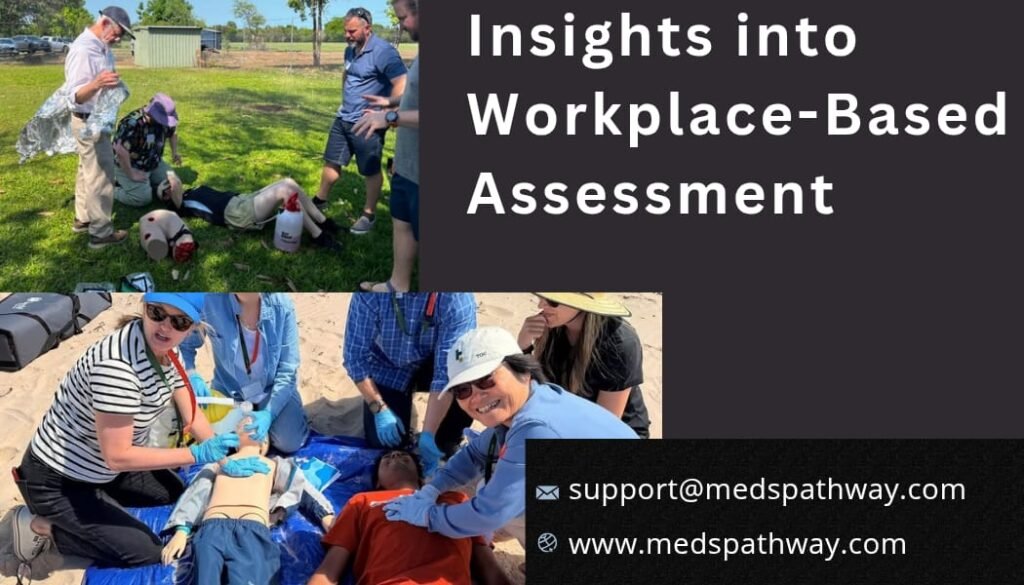
The Workplace-Based Assessment (WBA) is an important part of the ACRRM Fellowship Assessments pathway for International Medical Graduates (IMGs) pursuing rural generalist training in Australia. Unlike traditional written examinations, the ACRRM workplace-based assessment focuses on evaluating a doctor’s real-life clinical performance within the Australian healthcare system. The process usually involves supervised clinical practice, MiniCEX assessments, case-based discussions, direct observation of patient consultations, and continuous feedback from trained assessors.
These assessments are designed to measure clinical reasoning, patient communication skills, professionalism, emergency management, and the ability to provide safe medical care in rural and remote medicine Australia. Many overseas-trained doctors search for information about ACRRM workplace-based assessment requirements, ACRRM clinical skills assessment, and IMG pathways because understanding the complete process early can significantly reduce confusion and improve preparation.
To perform well in the workplace-based assessment, IMGs should focus on building strong communication skills, understanding Australian clinical guidelines, improving documentation practices, and adapting to rural healthcare standards in Australia. One common mistake many candidates make is concentrating only on medical knowledge while ignoring patient-centered communication and teamwork, which are heavily assessed during ACRRM training evaluations.
A practical strategy is to regularly participate in mock clinical scenarios, seek feedback from supervisors, practice time management during patient consultations, and review common rural medicine cases frequently seen in Australian hospitals and clinics. Doctors who consistently apply feedback, improve their clinical confidence, and maintain professional behavior throughout their supervised training usually achieve better results in the ACRRM Fellowship pathway and increase their chances of obtaining specialist recognition in rural medicine Australia.
Effective Preparation Strategies for ACRRM Assessment
Preparing successfully for the ACRRM Fellowship Assessments requires more than simply reading textbooks. International Medical Graduates (IMGs) preparing for the ACRRM StAMPS Exam, MiniCEX, and workplace-based assessment must first understand the complete ACRRM exam format, rural generalist training expectations, and the clinical standards used in the Australian healthcare system. One of the most effective preparation strategies for ACRRM assessment is building a structured study plan that covers rural medicine Australia, emergency care, chronic disease management, communication skills, and patient-centered clinical decision-making.
Candidates preparing for Fellowship of ACRRM should regularly practice real clinical scenarios, case-based discussions, and simulated consultations because the assessments focus heavily on practical application rather than memorization alone. Using updated ACRRM study resources, attending preparation courses, and reviewing common rural GP cases can help doctors improve confidence and reduce exam anxiety.
Another important strategy for ACRRM exam success is gaining consistent supervised clinical experience in Australia whenever possible. Many overseas-trained doctors struggle during ACRRM clinical assessments because they are unfamiliar with Australian rural healthcare protocols, documentation standards, and communication expectations with patients and healthcare teams. A smarter approach is to practice MiniCEX assessments with supervisors, improve consultation structure, strengthen time management skills, and actively seek feedback after every clinical interaction.
Candidates preparing for the ACRRM workplace-based assessment should also focus on professionalism, teamwork, safe prescribing practices, and evidence-based patient management. Doctors who combine regular practice, strong communication skills, mock StAMPS examinations, and a clear understanding of examiner expectations usually perform better and improve their chances of successfully achieving specialist recognition through the ACRRM pathway for IMGs.
The ACRRM Exam Format and Structure Breakdown
The ACRRM Exam Format and Structure Breakdown is very important for International Medical Graduates (IMGs) preparing for the rural generalist pathway in Australia. The Australian College of Rural and Remote Medicine uses different assessment methods to evaluate whether candidates can safely manage patients in rural and remote healthcare settings. The ACRRM Fellowship Assessments usually include the StAMPS Exam, MiniCEX, case-based discussions, workplace-based assessment, and other clinical performance evaluations.
The ACRRM StAMPS Exam focuses on clinical reasoning, patient communication, emergency management, and decision-making skills through simulated clinical scenarios. The MiniCEX and workplace-based assessments are designed to assess real clinical performance, professionalism, and practical patient care skills during supervised training. Understanding the ACRRM exam format, training requirements, and examiner expectations helps IMGs prepare more effectively and avoid common mistakes during the assessment process.
To improve success in the ACRRM Fellowship pathway, IMGs should focus on structured preparation and consistent clinical practice instead of relying only on theoretical study materials. Many candidates struggle because they do not practice rural medicine scenarios, communication techniques, or Australian clinical guidelines regularly. A more effective strategy is to combine ACRRM study resources, mock clinical cases, supervised workplace experience, and regular feedback from experienced rural generalists.
Doctors preparing for the ACRRM StAMPS Exam should practice answering clinical cases clearly, managing time properly, and demonstrating safe patient-centered decision-making. Building strong communication skills, understanding rural healthcare challenges in Australia, and becoming familiar with the ACRRM assessment process can greatly improve confidence, clinical performance, and overall chances of passing the ACRRM Fellowship Assessments successfully.
Study Resources for ACRRM Fellowship Preparations
Preparing for the ACRRM Fellowship Assessments requires a structured study plan, reliable learning materials, and a strong understanding of the Australian rural healthcare system. Many International Medical Graduates (IMGs) preparing for the ACRRM StAMPS Exam, MiniCEX, and workplace-based assessment often make the mistake of studying without following the official ACRRM curriculum and rural generalist training guidelines.
One of the most effective preparation methods is to begin with the official resources provided by the Australian College of Rural and Remote Medicine, including assessment blueprints, clinical case examples, rural medicine learning modules, and exam preparation handbooks. Candidates should also regularly study Australian clinical guidelines, RACGP resources, emergency medicine protocols, chronic disease management pathways, and communication skills materials because these are commonly tested during ACRRM clinical assessments and rural GP evaluations.
A practical and proven strategy for ACRRM exam preparation is combining theoretical study with consistent clinical practice and simulated patient scenarios. Doctors preparing for rural generalist training Australia should use mock consultations, case-based discussions, peer study groups, and supervisor feedback to improve clinical reasoning and patient communication skills. Reviewing common rural medicine cases such as emergency care, mental health, Indigenous health, chronic disease management, and remote patient care can greatly improve performance during the ACRRM StAMPS Exam and MiniCEX assessments.
Many successful candidates also use question banks, online rural medicine courses, recorded clinical scenarios, and workplace-based assessment feedback to identify weak areas early and improve steadily before the examination. Consistent revision, proper time management, and familiarity with examiner expectations remain some of the most effective ways for IMGs to succeed in ACRRM Fellowship Assessments and achieve specialist recognition in rural and remote medicine Australia.
Practical Strategies for IMGs to Succeed in ACRRM Assessment
International Medical Graduates (IMGs) preparing for the ACRRM Fellowship Assessments should begin by fully understanding the rural generalist pathway Australia and the complete ACRRM assessment process. Many overseas-trained doctors struggle because they focus only on theory and ignore practical clinical communication, rural emergency management, and examiner expectations. A successful approach is to create a structured ACRRM study plan that covers the ACRRM StAMPS Exam, MiniCEX, workplace-based assessment, and case-based discussions step by step.
IMGs should spend time reviewing common rural medicine Australia scenarios, chronic disease management, emergency presentations, Indigenous health, and patient-centered communication. Using updated ACRRM study resources, clinical guidelines, mock consultations, and group discussions can help candidates improve their clinical reasoning and confidence. Doctors who practice regularly with timed clinical cases and simulated patient encounters usually adapt better to the ACRRM exam format and perform more effectively during assessments.
Another important strategy for success in ACRRM assessments is gaining practical exposure within the Australian healthcare system as early as possible. IMGs who work in supervised rural GP settings often develop stronger decision-making skills, better consultation techniques, and a clearer understanding of rural healthcare standards in Australia. A practical weekly study routine can include reviewing rural clinical guidelines, practicing communication skills, studying Australian treatment protocols, and participating in peer study groups or ACRRM preparation courses.
Candidates preparing for the workplace-based assessment and MiniCEX should focus on improving documentation, patient safety, teamwork, and professional behavior because these areas are closely assessed during training. Many successful candidates also improve their performance by reviewing feedback from supervisors, identifying weak areas early, and consistently practicing high-yield rural medicine cases. With disciplined preparation, proper mentorship, and consistent clinical practice, IMGs can significantly improve their chances of passing the ACRRM Fellowship Assessments and achieving specialist recognition in rural and remote medicine Australia.
Conclusion: Achieving Specialist Recognition in Rural Medicine Australia
Achieving specialist recognition in rural medicine Australia is possible for International Medical Graduates (IMGs), but many doctors fail because they underestimate the demands of the ACRRM Fellowship Assessments and approach the process without discipline or proper preparation. Passing the ACRRM StAMPS Exam, MiniCEX, and workplace-based assessment requires more than medical knowledge alone. Doctors who ignore communication skills, rural clinical decision-making, Australian healthcare standards, and examiner expectations often struggle repeatedly in the ACRRM pathway for IMGs. Rural generalist training in Australia is designed to test whether a doctor can work safely, independently, and confidently in high-responsibility environments, not simply memorize textbooks or exam notes.
Doctors who succeed in the Fellowship of ACRRM pathway usually take a more structured and realistic approach to ACRRM exam preparation. They use updated study resources, practice clinical scenarios regularly, improve their English communication skills, and actively seek supervised clinical experience in rural and remote medicine Australia. Strong time management, consistent preparation, and understanding the ACRRM exam format are often the difference between repeated failure and long-term success. International doctors who are serious about building a stable medical career in Australia must treat the ACRRM specialist pathway as a professional commitment rather than a shortcut to medical registration Australia or rural GP jobs.