
Every year, countless medical professionals set their sights on a significant milestone in their careers: the Royal Australasian College of Physicians (RACP) exam. This exam is not merely a test of knowledge but a simple evaluation of one’s dedication to the field of medicine. However, with its reputation for high stakes and challenging nature, the RACP exam difficulty is a common concern among aspirants. Yet, what if we could turn this challenge into a strategic adventure? Imagine approaching the test with effective preparation strategies and insights into pass rates, ensuring you are as ready as humanly possible.
Amidst the stress and pressure, understanding the RACP exam’s challenges can make a difference. Did you know that expert recommendations point towards a definitive path to success? By exploring the exam’s historical pass rates and learning strategic preparation methods, candidates stand a far better chance at conquering this challenge. This blog post will take you deeply into these elements, offering you the guidance and confidence needed to not only pass but master the RACP exam with excellence.
RACP Exam Pass Rates statistics
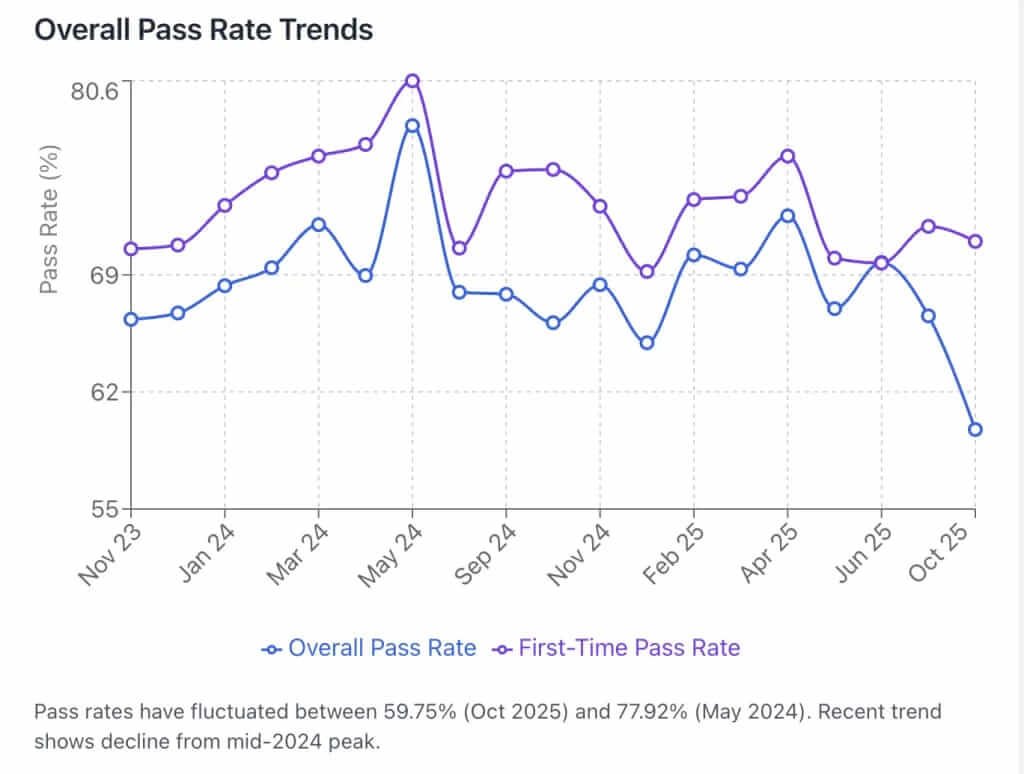
Records of the RACP exam pass rates provide valuable insights into the exam difficulty and the importance of preparatory strategies used by candidates. Analyzing pass rates over the years reveals fluctuations caused by changes in exam format and content. Understanding these trends can help current candidates tailor their study approach to align with the exam’s evolving demands.
Moreover, tracking pass rates can highlight areas where candidates commonly struggle, prompting educators to adjust preparation resources accordingly. By searching into the historical data, aspiring RACP exam takers can gain a competitive knowledge by focusing on topics with lower pass rates and optimizing their study plans based on past statistics. Stay updated with the latest exam changes to enhance your preparation and increase your chances of success in the RACP exam.
Understanding RACP Exam Difficulty Levels
When preparing for the RACP Exam, candidates often wonder about the difficulty levels they might encounter. Understanding the RACP Exam’s difficulty is important for effective preparation. By analyzing past pass rates and candidates’ experiences, one can understand the level of challenge posed by the exam.
The RACP Exam difficulty is reflected in its pass rates, which vary each year. In order to succeed in the exam on your first trial, candidates should understand the preparation strategies. These strategies may include an organized study schedules, practice exams, and seeking guidance from experienced professionals. By acknowledging the exam’s difficulty levels and adopting appropriate preparation methods, candidates can enhance their chances of passing the RACP Exam.
Importance of Strategic RACP Exam Preparation
Strategic preparation plays an important role in overcoming the challenges posed by the RACP Exam. Understanding the exam difficulty level enables candidates to organize their study approach effectively. By analyzing pass rates, aspirants can have an inside into the level of commitment required to succeed in this e
Adopting an organized preparation strategy is important for achieving success in the RACP Exam. Developing a structured study plan based on analyses on past pass rates can enhance candidates’ confidence and performance. Utilizing strategic resources and seeking guidance from experienced mentors can further solidify one’s preparedness for the exam’s demands.
Key Components of the RACP Exam
When preparing for the RACP Exam, candidates need to understand the key components that make up this exam. The RACP Divisional Written Examination (DWE) tests theoretical knowledge across various medical specialties, requiring candidates to demonstrate in-depth understanding and critical thinking skills. Additionally, the RACP Clinical Examination assesses clinical skills, communication abilities, and professionalism in real-life scenarios, ensuring that candidates are well-rounded and competent physicians.
Understanding the RACP exam format and structure is important for success. With detailed preparation strategies designed to each component, candidates can enhance their chances of passing the exam. By focusing on exam difficulty, pass rates, and effective study techniques, aspiring physicians can navigate the RACP Exam with confidence and achieve their professional goals.
Importance of Time Management During RACP Exam

Effective time management during the RACP exam is crucial for success. With the exam’s reputation for difficulty and varying pass rates, candidates must prioritize their study schedules wisely. By allocating specific time slots for each exam section, applicants can ensure comprehensive coverage of the material.
Utilizing preparation strategies such as creating study timetables, setting realistic goals, and taking regular breaks can significantly improve time management skills during the RACP exam. Practicing past papers under timed conditions can also enhance efficiency and boost confidence levels. Remember, proper time management not only maximizes study effectiveness but also minimizes stress levels during this critical examination period.
Utilizing RACP Study Groups and Resources for Success

When preparing for the RACP exam, making use of study groups can significantly enhance your understanding and retention of complex medical concepts. Engaging with peers allows for collaborative learning and the opportunity to discuss challenging topics, thereby broadening your perspective. Additionally, utilizing resources such as RACP past papers and question banks can familiarize you with the exam format and types of questions, boosting your confidence for the actual assessment.
Incorporating RACP MCQ practice questions into your study routine can help reinforce your knowledge and improve your exam-taking skills. By regularly testing yourself with practice questions, you can identify areas that require additional focus and tailor your revision accordingly. Combining study groups for interactive learning and resource utilization for comprehensive preparation can effectively support your success in navigating the RACP exam challenges.
Strategies for Effective Exam Preparation
When tackling the RACP Exam, understanding its difficulty level and pass rates is crucial for effective preparation. Crafting a solid RACP exam study plan is the cornerstone of success. Familiarize yourself with the RACP basic training exam requirements to streamline your preparation process.
To excel in the RACP Exam, regular practice with RACP MCQ practice questions is essential. Engaging in webinars can provide valuable insights and enhance your understanding of key concepts. Seek mentorship from experienced professionals to gain valuable tips and guidance throughout your preparation journey. Remember, a well-rounded approach that combines study plans, practice questions, webinars, and mentorship is key to mastering the RACP Exam.
Tips for Mastering RACP Clinical Skills Assessment (CSA)

To master the Clinical Skills Assessment (CSA) of the RACP Exam, focus on developing effective communication skills with patients. Practice active listening to understand patient concerns better, show empathy, and build rapport during consultations. Utilize open-ended questions to gather comprehensive information, and practice summarizing patient stories to ensure understanding and demonstrate empathy effectively.
Another crucial tip for mastering the CSA is to enhance your clinical reasoning skills. Practice differential diagnosis by considering all possible conditions based on presented symptoms and history. Develop a systematic approach to patient management, including ordering appropriate investigations and formulating treatment plans. Incorporate evidence-based medicine into your decision-making process to showcase proficiency in clinical knowledge during the exam.
Time Management Strategies for RACP Exam Day

On RACP Exam day, effective time management is crucial. Start by allocating specific time slots for each question or section to ensure you cover all areas. Prioritize questions based on your strengths to maximize your score potential.
Additionally, take short breaks between sections to stay fresh and focused. Utilize time wisely by skipping challenging questions initially and returning to them later. Practice time management during exam preparation to simulate real exam conditions effectively. Remember, strategic time allocation can significantly impact your RACP Exam performance.
Balancing Work, Study, and Personal Life During RACP Exam Preparation

Balancing work, study, and personal life during RACP exam preparation can be challenging. The RACP exam difficulty requires a strategic approach to study effectively. To manage your time efficiently, create a schedule that allocates dedicated time for work, study, and personal activities. Prioritize tasks based on urgency and importance to maintain a balance.
Understanding RACP exam pass rates can help boost your preparation progress. Monitor your performance through practice tests to identify weak areas that need improvement. Implement effective preparation strategies such as creating study guides, joining study groups, and seeking mentorship to enhance your exam readiness. Remember to take breaks, exercise, and spend quality time with loved ones to recharge and stay motivated during this challenging preparation phase.
Navigating RACP Exam Day: Dos and Don’ts
On exam day for the RACP Exam, it’s crucial to follow certain dos and don’ts to maximize your performance. Ensure you get a good night’s sleep before the exam to stay alert and focused during the test. Remember to bring all necessary stationery, identification, and exam-related documents to avoid any last-minute stress.
Avoid discussing exam content with others during breaks to maintain your focus and prevent unnecessary anxiety. Don’t spend too much time on challenging questions; instead, move on and return to them later if time permits. Following these dos and don’ts can help you navigate the RACP Exam day successfully, enhancing your chances of achieving your desired pass rates.
Overcoming RACP Test Anxiety and Nervousness

Overcoming test anxiety and nervousness is crucial when dealing with challenging exams like the RACP Exam. Understanding the RACP exam difficulty and pass rates can help relief some of the pressure. By implementing effective preparation strategies, test takers can boost their confidence and performance on the exam day.
Developing a study schedule, practicing with past papers, and seeking support from peers or mentors are effective ways to combat test anxiety. Additionally, incorporating relaxation techniques and maintaining a healthy lifestyle can contribute to a positive mindset while preparing for the RACP Exam. Remember, overcoming test anxiety is a gradual process that requires dedication and perseverance, but with the right approach, success is within reach.
Importance of Seeking RACP Exam Mentorship and Guidance

Seeking mentorship and guidance is necessary, especially when navigating challenges like the RACP Exam difficulty, pass rates, and preparation strategies. A mentor can provide valuable insights and support, helping you better understand the exam’s intricacies and improve your chances of success. Their experience can offer practical tips on how to tackle the exam’s difficulty levels effectively.
Guidance from a mentor can also enhance your preparation strategies by offering personalized advice tailored to your strengths and weaknesses. By following their recommendations, you can optimize your study plan and approach the exam with confidence. Mentorship not only improves your chances of passing the RACP Exam but also helps you build valuable skills that extend beyond the exam room.
Conclusion: Empowering Yourself for RACP Exam Success
Empowering yourself for RACP exam success requires a thorough understanding of the exam difficulty, pass rates, and effective preparation strategies. By delving into the nuances of the RACP exam, candidates can navigate through challenging scenarios with confidence. Knowing the historical pass rates can provide valuable insights into the level of preparation needed, guiding aspirants towards a targeted study approach. Implementing proven preparation strategies such as time management techniques, focused revision sessions, and simulated practice exams can significantly enhance performance and boost confidence levels when facing the RACP exam.