
FACRRM
Fellowship of the Australian College of Rural and Remote Medicine
Overview
The Fellowship of the Australian College of Rural and Remote Medicine (FACRRM) examination is a thorough and robust assessment process that confirms a doctor’s readiness to practice independently as a specialist in rural and remote medicine. It is specifically designed to ensure that candidates possess the advanced skills, clinical judgement, and professional confidence required to deliver safe, high-quality healthcare in geographically isolated and resource-limited settings.
The assessment program is closely aligned with the ACRRM Rural Generalist Curriculum, which reflects the unique scope and demands of rural and remote medical practice. This curriculum emphasises a broad and versatile skill set, as rural generalists are often required to manage a wide range of medical conditions across multiple disciplines, including emergency care, chronic disease management, procedural medicine, mental health, and Indigenous health. The examination process evaluates not only clinical knowledge but also critical thinking, diagnostic reasoning, and the ability to prioritise and manage complex cases with limited access to specialist support.
A key focus of the FACRRM assessment is a doctor’s capacity to adapt to challenging environments, where healthcare resources, staffing, and infrastructure may be constrained. Candidates are assessed on their ability to make sound clinical decisions, provide continuity of care, and respond effectively to medical emergencies while considering the social, cultural, and logistical factors unique to rural and remote communities. Successfully completing the FACRRM examination signifies that a doctor has met nationally recognised standards and is fully equipped to provide comprehensive, independent medical care tailored to the needs of rural and remote populations across Australia.
Key Aspects of FACRRM Exam:
- Multiple Choice Questions (MCQ)
- Format: 125 single-best-answer questions delivered online via a secured browser, usually over 3 hours (180 minutes).
- Content: Tests clinical recall, reasoning, and applied knowledge across the eight domains of rural and remote practice (e.g., primary care, emergency medicine, population health).
- Context: Scenarios are tailored to rural, regional, and remote contexts.
- Timing: Conducted twice yearly.
2. Structured Assessment using Multiple Patient Scenarios (StAMPS)
- Format: An 8-station viva-voce exam (often video-conferenced or face-to-face) simulating real-world scenarios in a fictional “StAMPSville”.
- Structure: 10 minutes of reading time followed by 8 stations, with 5 minutes in between.
- Assessment Criteria: Evaluates management plans, clinical reasoning, communication, and adaptability to rural resource constraints.
- Pass Mark: Evaluated by a matrix, where 4-5 is considered a safe and appropriate rural generalist.
3. Other Core Assessments
- Case-Based Discussion (CBD): An assessment of clinical reasoning based on the candidate’s own clinical cases.
- Multi-Source Feedback (MSF): Feedback from patients and colleagues.
Key Features and Requirements
- Venue: Designed to be taken in or near the candidate’s own community.
- Eligibility: Generally, candidates must have completed at least one year of training for MCQ and two years for StAMPS, or be in their final years of training.
- Prerequisites: As of 2020, passing the MCQ, completing mini-CEX/MSF, and completing StAMPS preparation activities are required to sit the StAMPS exam.
- Focus: The exam prioritizes the ability to work without supervision in isolated locations.
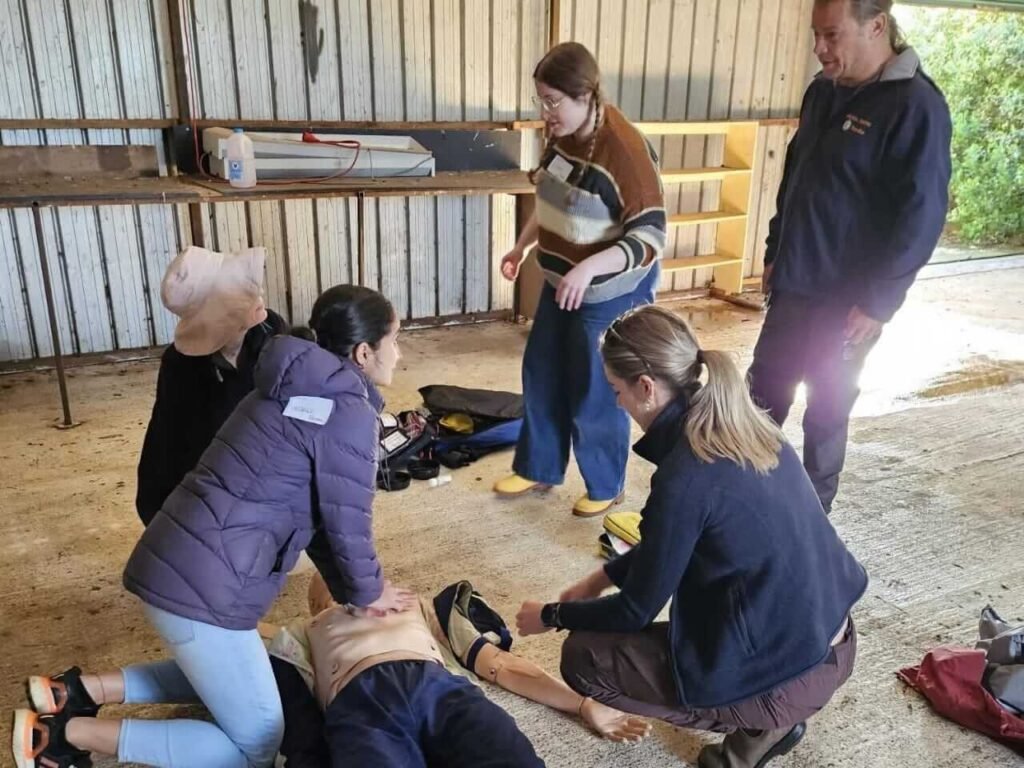
FACRRM Exam Eligibility
To be eligible for the FACRRM exams, candidates must generally be enrolled in the ACRRM training program, hold current medical registration (AHPRA) with no restrictions, and have completed specific training requirements, including 3 years of Core Generalist Training (12 months in primary care, 3 months in emergency care, 3 months in secondary care, and 12 months in rural/remote practice).

How we assist candidates in clearing this exam
Exact examination Q&A bank
Previous Score upgrade
Direct certificate:
Other Exams
General Practice
Specialist Medical Exams
Dentists
Nurses/Midwifery
Pharmacists
Our Community
Your career progression starts here. Join professionals who have achieved faster, smarter outcomes with Meds Pathway.




Experience the proven success of Meds Pathway—where expertise, trust, and results define every journey.
At Meds Pathway, we are defined by our commitment to excellence and our dedication to supporting aspiring medical professionals in achieving their certification and licensure goals. Our reputation is built on results, professionalism, and trust—but beyond our own standards, the experiences of our clients speak for themselves.
Successful Candidates
Years of Industry Experience:
Global success rate
Recognition